By Range
By Product
By Skin Concern
By Ingredients
Ingredients
Ageing
Thinking about brighter, smoother, younger-looking skin? You’ve probably heard of AHAs and retinol—two of the most acclaimed anti-ageing ingredients out there. But while they both promise radiant results, they work in different ways, and each have their own strengths and weaknesses. So, which one should you choose for your routine? Let’s break down the science and help you decide what fits best with your skin.
First, let’s get clear on what retinol is — it’s a form of Vitamin A that’s used in cosmetic skincare products for its anti-ageing benefits. But it also has a lot of siblings and cousins (other Vitamin A derivatives) that vary in potency and purpose1. Some sources might also refer to ‘retinols’ as a broader term that groups together all the non-prescription forms of Vitamin A. In this article, we’re only talking about retinol as a single, specific molecule
Retinol works by supporting the skin’s natural renewal process to promote fresher-looking skin and improving the appearance of premature ageing1. This means firmer skin, smoother-looking texture and visibly faded dark spots.
AHAs (alpha-hydroxy acids) are a group of water-soluble exfoliating acids that can be found in fruits and milk. They work by dissolving the “glue” that holds dead skin cells together on the surface, revealing fresh, glowing skin underneath3.
AHAs gently resurface the outermost layer of your skin, making them fantastic for smoothing rough patches and boosting radiance. Two of the most popular AHAs are glycolic acid and lactic acid.
Both AHAs and retinol help reveal younger-looking, more even skin—but they take different routes to get there.
Both AHAs and retinol are powerful ingredients—so start slow and listen to your skin.
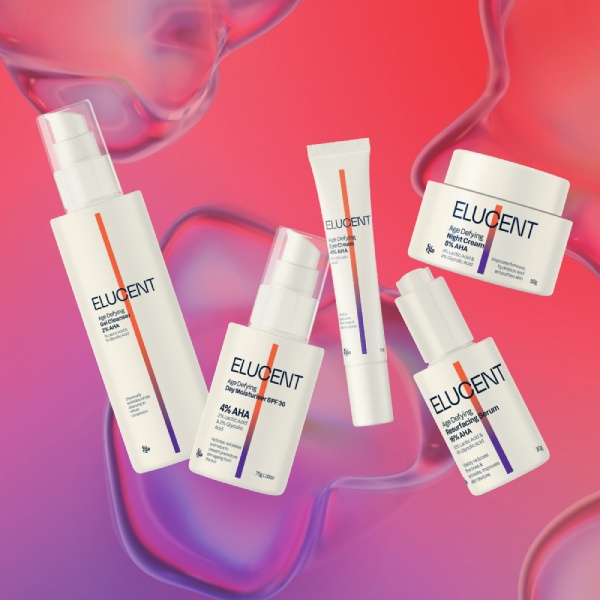
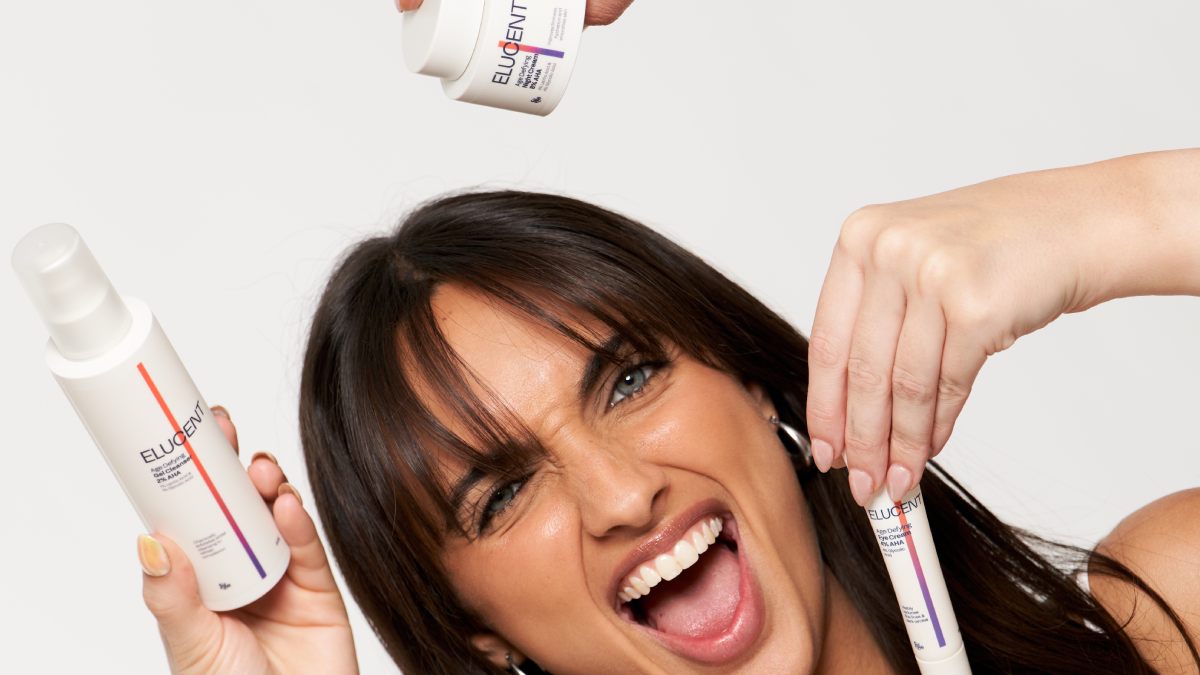
Want to get started with AHAs? Elucent’s Age Defying range makes it easy!
*Always read the label and follow the directions for use. Avoid prolonged sun exposure and wear protective clothing, hats and eyewear to further reduce risk. Frequent re-application is required.
Both AHAs and retinol have science-backed benefits for anti-ageing skincare and skin exfoliation, but your choice depends on your main skin goals and what your skin can tolerate.
For smoother, brighter skin, AHAs are great for surface-level bounce and glow. Retinol may help with the appearance of fine lines and pigmentation, but also requires a more cautious approach.
If you’re unsure where to start or want to combine these powerhouse ingredients, speak with a dermatologist or healthcare professional for personalised advice.
Anti-ageing day moisturiser with SPF30 to smooth, protect and hydrate skin
8% AHA night cream to visibly firm, smooth and revitalise ageing skin
16% AHA-powered serum to smooth, firm, and visibly renew ageing skin
Exfoliation = glow. Here’s how AHAs, hyaluronic acid and more can gently smooth, hydrate and perk up your face without making your skin cranky.
Want glow without the drama? Here’s your simple, friendly guide to using AHAs the right way—what to use, when, and how to keep your skin calm and happy.
Fine lines and wrinkles? You’re not alone. Learn the facts about how skin ages and the best anti-ageing skincare tips that actually help.
1. Motamedi M, Chehade A, Sanghera R, Grewal P. A Clinician’s Guide to Topical Retinoids. J Cutan Med Surg 2022;26(1):71–8.
2. Milosheska D, Roškar R. Use of Retinoids in Topical Antiaging Treatments: A Focused Review of Clinical Evidence for Conventional and Nanoformulations. Adv Ther 2022;39(12):5351–75.
3. Karwal K, Mukovozov I. Topical AHA in dermatology: Formulations, mechanisms of action, efficacy, and future perspectives. Cosmetics 2023;10(5):131.
4. Smith W. Comparative effectiveness of α-hydroxy acids on skin properties. Int J Cosmet Sci 1996;18:75–83.
5. Almeman A. Evaluating the efficacy and safety of alpha-hydroxy acids in dermatological practice: a comprehensive clinical and legal review. Clin Cosmet Investig Dermatol 2024;17:1661–85.
6. Spierings NMK. Evidence for the efficacy of over-the-counter vitamin A cosmetic products in the improvement of facial skin aging: A systematic review. J Clin Aesthetic Dermatol 2021;14(9):33–40.
7. Berardesca E, Distante F, Vignoli GP, Oresajo C, Green B. Alpha hydroxyacids modulate stratum corneum barrier function. Br J Dermatol 1997;137(6):934–8.
8. Narsa AC, Suhandi C, Afidika J, Ghaliya S, Elamin KM, Wathoni N. A comprehensive review of the strategies to reduce retinoid-induced skin irritation in topical formulation. Dermatol Res Pract 2024;2024(1):5551774.
9. Mukherjee S, Date A, Patravale V, Korting HC, Roeder A, Weindl G. Retinoids in the treatment of skin aging: an overview of clinical efficacy and safety. Clin Interv Aging 2006;1(4):327–48.
10. Feinberg C, Hawkins S, Battaglia A, Weinkauf R. Comparison of anti-aging efficacy from cosmetic ingredients on photoaged skin 1. J Am Acad Dermatol 2004;50(3):P27.