Dull Skin? Let's Talk about Exfoliation

Dull skin? Let's talk about exfoliation

What is skin exfoliation and why it can help with glowing skin?

Your skin is always in renewal mode—shedding old cells and replacing them with fresh ones1. But sometimes that natural process slows down, leaving behind a build-up of dull, dead skin that clogs pores, roughens texture and steals your glow.


That’s where exfoliation can help. Exfoliation removes dead skin cells, revealing new ones and supports your skin barrier1. Think of it as maintenance—like tuning up a high-performance engine. When your skin’s surface is clear of debris, everything runs more smoothly. Light reflects better, your moisturiser sinks in more efficiently and your complexion looks fresh and more even.

Chemical vs physical exfoliants: What's the difference?

Exfoliation comes in two main forms: physical and chemical. Physical exfoliants such as microdermabrasion, granular scrubs or loofahs use abrasive materials to physically buff away dead cells,1 much like sandpaper smoothing wood. While they can deliver quick results, physical exfoliants sometimes cause tiny scratches, redness and skin barrier disruption, especially for sensitive1.


Chemical exfoliants, on the other hand, work with your skin rather than against it. Instead of scrubbing, they use mild acids such as alpha hydroxy acids (AHAs) to dissolve the bonds holding dull surface cells together1.This method is generally less irritating and better tolerated than physical exfoliation1. Think of chemical exfoliants as gently lifting away those unwanted dead cells, without friction or force.


The benefits of exfoliation have been recognised since ancient times—ancient Egyptians used physical exfoliation including pumice stone, alabaster stone particles and scrubs made from sand and plants, and it is rumoured that Cleopatra bathed in sour donkey milk rich in lactic acid to give her skin a youthful appearance—an early example of what we now know as chemical exfoliation2,3.

What are AHAs and how do they visibly transform your skin?

Alpha hydroxy acids (AHAs) are the hardworking, quiet achievers of skincare. They can occur naturally in sugarcane (glycolic acid), sour milk (lactic acid) and fruit (citric acid), and have been refining skin since the 19904.


AHAs are water-soluble acids that work on your skin’s surface to loosen the “glue” (also called corneodesmosomes) between dead cells, helping them shed more easily4. Think of them as a reset button for your complexion. By dissolving the bonds that hold dull, flaky skin in place, they reveal a fresh, smooth layer underneath and bring back your natural glow without harsh scrubbing.


As AHAs speed up cell turnover, your skin starts to look and feel visibly smoother, pores appear visibly smaller and rough patches soften. They’re glow boosters too—by clearing away dull surface layers, AHAs help fade dark spots and post-acne marks for a more even tone4. Over time, powerhouse acids like glycolic and lactic acid can even help soften the appearance of fine lines and wrinkles and improve firmness, leaving skin looking plumper4.


Used consistently, AHAs can help reveal, bright, smooth and more even-toned skin day after day. Whether you’re tackling dullness, rough texture or early signs of ageing, they’re a go-to for a visibly healthy, polished glow.

How to best exfoliate your skin for that glow-up?

Exfoliation is about precision over aggression. The goal is to remove what’s dulling your skin without disrupting your protective skin barrier. After exfoliation with AHAs, your skin becomes more receptive to other skincare, and that’s when hydrating ingredients such as hyaluronic acid and glycerin step in. These powerful moisturisers act like moisture magnets, drawing water into the outermost layer of skin, helping to restore comfort and hydration5,6. This keeps freshly exfoliated skin supple rather than tight or dry.


However, exfoliation can be a double-edged sword — the same action that reveals younger-looking skin also makes it more vulnerable to UV damage, so always include SPF protection in any AHA routine.


Here’s how to build your smart, barrier-friendly exfoliating routine:


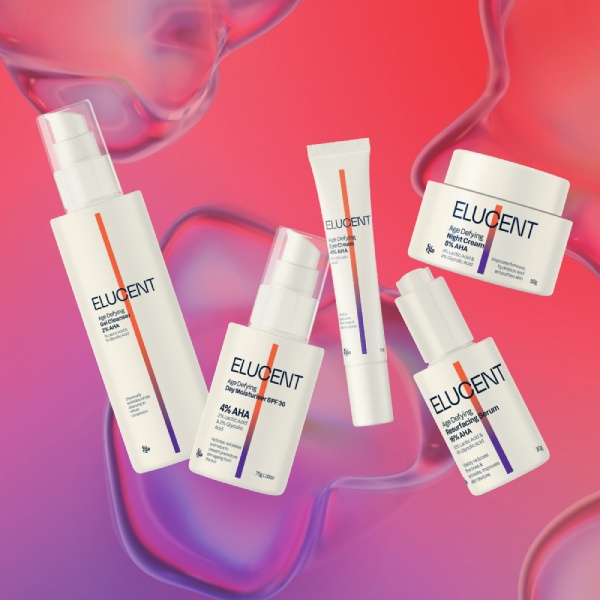
Step 1: Use an AHA cleanser like Elucent Age Defying Gel Cleanser (with 2% AHAs). Start by patch testing any new products on a small area of skin first. Start slowly with low strength AHAs and work your way up to higher strengths. Just know that a bit of skin tingling in the beginning is completely normal and expected. If you notice tightness or sensitivity, ease off the frequency. Over-exfoliation can compromise your skin barrier and undo your hard work.


Step 2: At night after cleansing, apply a moisturiser containing hydrating ingredients like the Elucent Age Defying Night Cream (with 8% AHAs) delivers ingredients to smooth and firm as you sleep.


Step 3: Since AHAs make skin more sun-sensitive, daily sunscreen is non-negotiable. Apply the Elucent Age Defying Day Moisturiser SPF 30* (with 4% AHAs) during the day—it replenishes hydration while guarding your fresh, new skin against UV damage. Sunscreen isn’t just about protection, it’s also about preserving all the brightening, smoothing work your exfoliation has achieved.
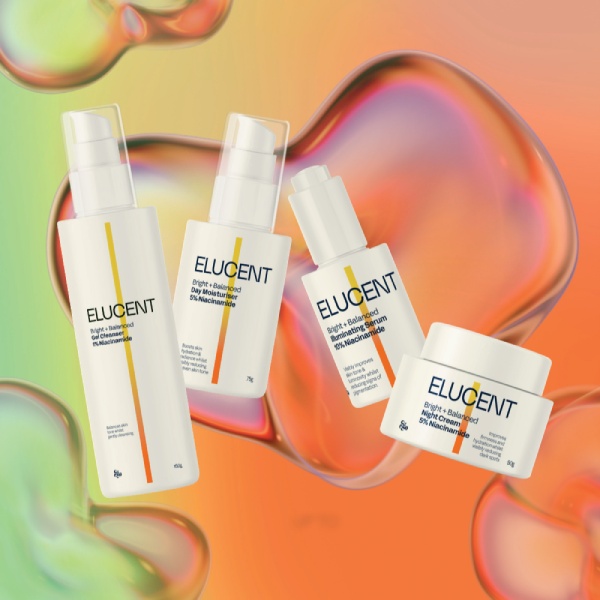
* Always read the label and follow the directions for use. Avoid prolonged sun exposure and wear protective clothing, hats and eyewear to further reduce risk. Frequent re-application is required.

Why consistent exfoliation is the secret to a lasting glow

There’s a myth that glowing skin requires intense exfoliation, but in reality, consistency trumps intensity. Your skin loves routine and balance. Regular exfoliation helps maintain an even tone, clears pores and helps to keep your natural renewal process running smoothly.


Over time, you’ll notice that your skincare products work better, makeup glides on more evenly and your complexion has that sought after lit-from-within glow.

Exfoliation isn’t optional if you want skin that looks its best. Consistent use of AHAs and hydration from the Elucent Age Defying range will assist your skin to become smoother and naturally radiant—your glow refined and built to last.

Share this with your community

  • Article Image

    What are AHAs? A friendly guide for beginners

    What they are, what they do, and why your skin might fall in love. A no-nonsense guide to these glow-getting exfoliants.

    Read more
  • Article Image

    Building an AHA skincare routine

    Want glow without the drama? Here’s your simple, friendly guide to using AHAs the right way—what to use, when, and how to keep your skin calm and happy.

    Read more
  • Article Image

    AHAs vs Retinol: Which should you use?

    Retinol and AHAs smooth and brighten skin in different ways. Learn how they work and how to decide which suits your skincare routine.

    Read more

References

1. The A, B and Ps of exfoliation for sensitive skin [Internet]. Aust J Pharm 2025 [cited 2025 Oct 31]; Available from: https://ajp.com.au/lessons/the-a-b-and-ps-of-exfoliation-for-sensitive-skin/.

2. Behalpade S, Gajbhiye S. Review article: Skin care with exfoliation process. Int J Curr Sci 2022;12(2):372–379.

3. Brody HJ, Monheit GD, Resnik SS, Alt TH. A history of chemical peeling. Dermatol Surg 2000;26(5):405. 

4. Karwal K, Mukovozov I. Topical AHA in dermatology: Formulations, mechanisms of action, efficacy, and future perspectives. Cosmetics 2023;10(5):131.

5. Fluhr JW, Darlenski R, Surber C. Glycerol and the skin: holistic approach to its origin and functions. Br J Dermatol 2008;159(1):23–34.

6. Bravo B, Correia P, Gonçalves Junior JE, Sant'Anna B, Kerob D. Benefits of topical hyaluronic acid for skin quality and signs of skin aging: From literature review to clinical evidence. Dermatol Ther 2022;35(12):e15903.