Why You’ve Got Dark Spots – and What Actually Helps

Why you've got dark spots – and what actually helps

We’ve all been there. One day your skin is glowing and clear, and the next you’re wondering where that sneaky little dark spot came from. Whether it’s from too much sun or the ghost of a breakout past, dark spots have a habit of showing up uninvited – and overstaying their welcome. But don’t panic. Understanding why they appear (and how to fade them) is the first step toward a brighter, more even complexion.

So, what are dark spots?

Dark spots are areas where your skin produces extra melanin – the natural pigment that gives your skin, hair, and eyes their colour1. They can appear anywhere, but they love places that get the most sun exposure: your face, neck, décolletage, and hands. Some are tiny freckles; others are larger patches – but are usually the result of your skin's pigment cells working overtime. It is always best to have regular skin checks and if dark spots appear or change suddenly, to have these checked by your doctor.

What causes dark spots?

There are many factors that can trigger your skin to produce more melanin. However, the biggest culprit is the sun2. Dark spots are just one visible sign of photoaging – the premature ageing of skin caused by chronic sun exposure.  UV exposure tells your skin to create more pigment for protection, which is why these darker spots (also known as solar lentigines or sunspots) often develop after years of unprotected time outdoors. Those with fairer skin who have had many or severe sunburns are at a higher risk for dark spots3.


Other common causes of dark spots include:

  • Post-acne marks or cuts: When a blemish or cut heals, damage to the skin can lead to darker spot. This is also known as post-inflammatory hyperpigmentation1.
  • Ageing: As we get older, our skin accumulates sun damage, resulting in age spots or liver spots4.

Basically, if your skin has ever been exposed to sunlight or inflammation — it might leave a reminder.


If you are concerned with dark spots or if they appear suddenly, please seek medical advice. 

Hyperpigmentation vs dark spots – what’s the difference?

Think of hyperpigmentation as the umbrella term for all types of excess pigmentation, from melasma and uneven patches to acne marks. Dark spots are one form of hyperpigmentation – typically flat, brown or greyish marks that appear after sun exposure or inflammation. So, while every dark spot is a type of hyperpigmentation, not all hyperpigmentation looks the same.  

Can you fade dark spots on your face?

The short answer: not overnight, but absolutely yes – with consistency. Skin turnover takes time, and fading dark spots usually means a few months of steady, smart skincare. The key is to be patient and persistent. Use targeted products, stay protected from the sun, and resist the urge to pick or scrub too hard (we know it’s tempting!).


Professional treatments like chemical peels or laser therapy can help, but for most people, a well-chosen at-home skin care routine can help.

Ingredients that actually help face dark spots

The brightening dream team includes:

  • Niacinamide (Vitamin B3): A multitasker that helps even out tone, support your skin barrier, and reduce the appearance of dark spots over time5.
  • Vitamin C: A powerful antioxidant that brightens skin and boosts radiance6.
  • AHAs (Alpha Hydroxy Acids): Gentle exfoliants that remove dull surface cells7 – revealing fresher, brighter skin underneath.
  • SPF: Your ultimate non-negotiable. Sunscreen doesn’t just help prevent new dark spots – it helps to keep existing ones from getting darker.

It's time for a Glow Up: Bright + Balanced Range

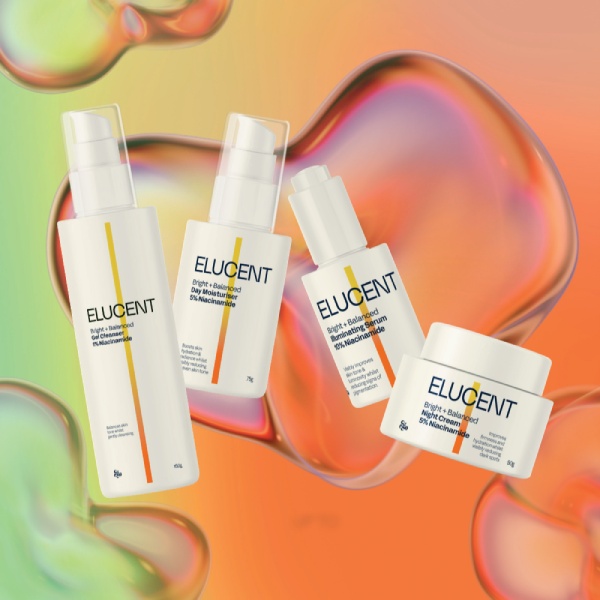
We know you’re ready to get your glow back – and the Elucent Bright + Balanced can help. This range is designed to bring skin back to balance – with dermatologist-recommended formulas that combine brightening vitamins and hydration to visibly improve uneven tone.

Morning:

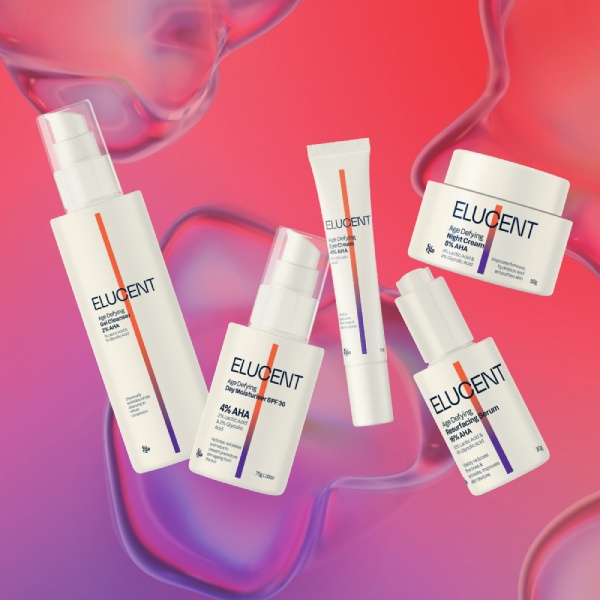
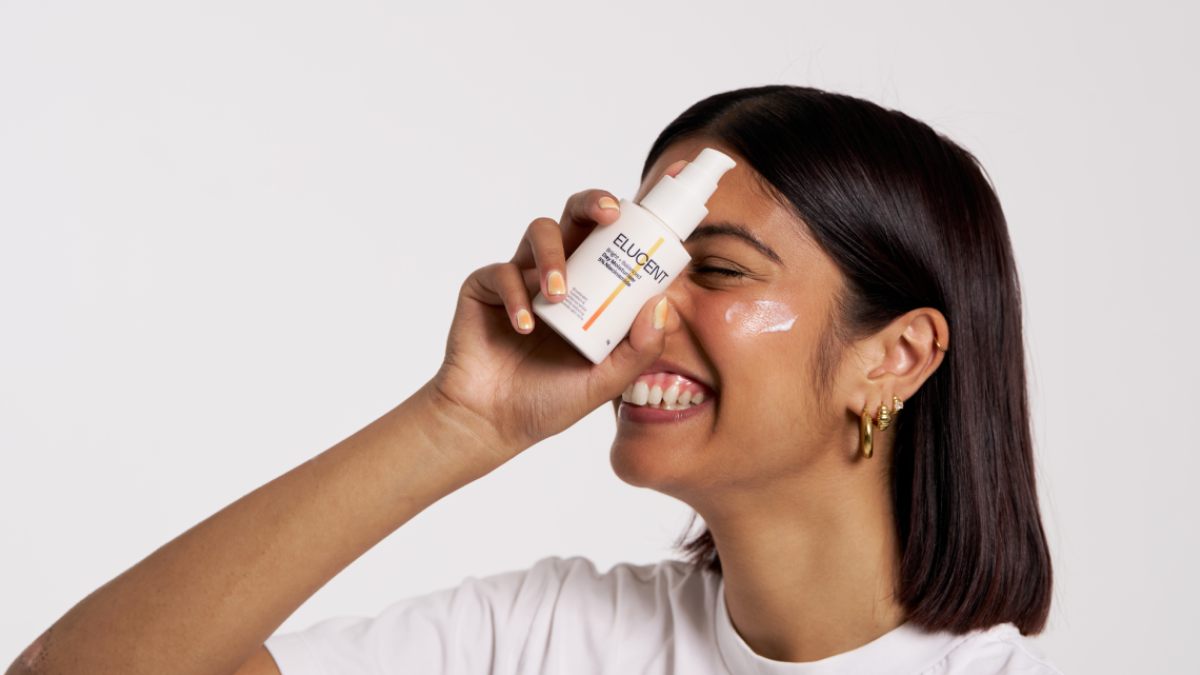
Start with Elucent Bright + Balanced Gel Cleanser to gently sweep away impurities and reveal fresher, more radiant skin. Follow with Elucent Bright + Balanced Day Moisturiser to hydrate throughout the day while brightening dullness. And of course — SPF, SPF, SPF! Should we say it one more time? Prevention is half the glow, after all. Try Elucent Age Defying Day Moisturiser SPF30*, which blends moisturising ingredients with sun protection to help protect against premature ageing including fine lines, wrinkles, and dark spots.

* Always read the label and follow the directions for use. Avoid prolonged sun exposure and wear protective clothing, hats and eyewear to further reduce risk. Frequent re-application is required.

Night:

Apply Elucent Bright + Balanced Illuminating Serum to nourish, support, and help visibly reduce dark spots. Then follow with Elucent Bright + Balanced Night Cream – it hydrates, firms, and supports your skin overnight so you wake up to a brighter, more even complexion.

A few glow rules to live by

  • Be consistent – results take time, but every day adds up so keep up with your skincare routine.
  • Avoid harsh scrubbing or picking. Damage to the skin could also lead to post-inflammatory hyperpigmentation, which means more dark spots!
  • Stay hydrated inside and out – your glow depends on it.
  • Always, always wear SPF (yes, even on cloudy days!).

Be the brightest version of you!

Dark spots might be stubborn, but they don’t have to be forever. With the right ingredients, a steady routine, and a little patience, your skin can bounce back to its natural brilliance. Remember, fading dark spots and brightening your complexion isn’t about perfection – it’s about helping your skin feel balanced and confidently radiant.

Share this with your community

  • Article Image

    How to reduce the appearance of hyperpigmentation?

    Pigmentation? Totally normal. Here’s what causes hyperpigmentation and how to treat it with brightening, tone-evening skincare.

    Read more
  • Article Image

    The antioxidant dream team: Niacinamide, vitamin C and E explained

    Discover how Niacinamide, Vitamin C & E team up to fight dullness, even skin tone and protect against daily stressors. Your quick guide to antioxidants in skincare.

    Read more
  • Article Image

    From dull to dazzling: How to even out skin tone and texture

    Bumps, blotches and rough patches aren’t forever. Discover how to brighten, smooth, and even out uneven skin tone and texture with science-backed skincare.

    Read more

References

1.  Cleveland Clinic. Hyperpigmentation: What it is, causes & treatment [Internet]. [cited 2025 Nov 11]. Available from: https://my.clevelandclinic.org/health/diseases/21885-hyperpigmentation

2. Brannon HL. Top Causes of Dark Spots and How to Fix Them [Internet]. Verywell Health. Updated October 06, 2025 [cited 2025 Nov 11]. Available from: https://www.verywellhealth.com/causes-of-dark-spots-1069545

3. Bastiaens M, Hoefnagel J, Westendorp R, Vermeer BJ, Bouwes Bavinck JN. Solar lentigines are strongly related to sun exposure in contrast to ephelides. Pigm Cell Res 2004;17(3):225–9.

4. KDAA. Age spots, freckles & pigmentation [Internet]. [cited 2025 Nov 11]. Available from: https://www.kdaa.com.au/age-spots-freckles-pigmentation/

5. Matts PJ, Oblong JE, Bissett DL. A review of the range of effects of niacinamide in human skin. IFSCC 2002;5(4):285–9.

6. Al-Niaimi F, Chiang NYZ. Topical vitamin C and the skin: Mechanisms of action and clinical applications. J Clin Aesthet Dermatol 2017;10(7):14–7.

7. Tang SC, Yang JH. Dual effects of alpha-hydroxy acids on the skin. Molecules 2018;23(4):863.