AHAs + Hyaluronic Acid: How They Work Together

AHAs + hyaluronic acid: How they work together

When it comes to selecting the right skincare ingredients for your skin, there’s more to it than just mixing in whatever sounds good. Some combinations don’t play well together — for example, benzoyl peroxide is a strong oxidiser and can make ingredients like vitamin C less effective1 if they’re mixed together — while others, if carefully selected, can enhance one another. Good formulations are more than the sum of their parts, and pairing the gentle exfoliation of AHAs with the moisturising power of hyaluronic acid is the perfect example

What are AHAs and how do they exfoliate your skin?

AHAs, or alpha-hydroxy acids, are gentle chemical exfoliators that work by ‘dissolving the glue’ that holds together dead skin cells on the skin’s surface2. The key players are glycolic acid and lactic acid, sloughing away the dullness to reveal smoother, brighter looking skin underneath. They help improve skin tone and texture by reducing the look of fine lines and wrinkles, smoothing rough patches, and boosting radiance.

What is hyaluronic acid and how does it hydrate your skin?

Hyaluronic acid is a naturally-occurring moisturiser in the skin that acts like a magnet for water molecules, and is essential for keeping the skin feeling plump and hydrated3. But as we get older, and especially if we spend a lot of time in the sun, our body produces less and less hyaluronic acid, which is a key reason our skin starts to feel a little parched as we age3. That’s where hyaluronic acid in skincare can help, you reclaim that fresh, youthful look.

Can you use AHAs and hyaluronic acid together?

This is where things get really exciting — yes! AHAs and hyaluronic acid are a skincare power couple. AHAs exfoliate away the dead surface cells, making it easier for hyaluronic acid to get in there and do its thing4! Think of it like restoring a well-loved piece of furniture — the AHAs act a bit like paint stripper (only much gentler, of course), softening and removing the old, flaking paint. This paves the way for a wood oil or lacquer (the hyaluronic acid) to coat wood, making the piece shine again.


You might be wondering about physical exfoliation, like scrubs or microdermabrasion treatment (the sandpaper, if we can carry this analogy a little further): do they pair just as well with moisturisers like hyaluronic acid? Surprisingly, not so much. Physical exfoliation has been found to temporarily damage the skin barrier, causing more water to escape the skin,5,6 so the moisturiser has to work overtime to restore the balance. AHAs, on the other hand, were found to have no negative effect on water loss from the skin,7 making them a clear winner if your goal is maximising hydration.

How to combine AHAs and hyaluronic acid?

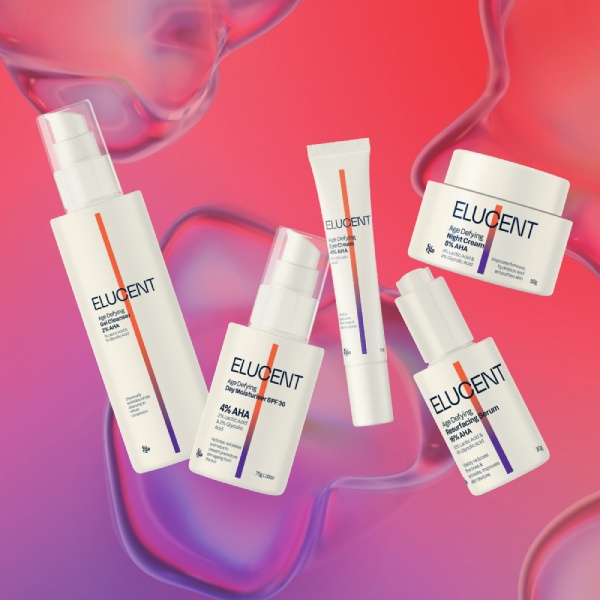
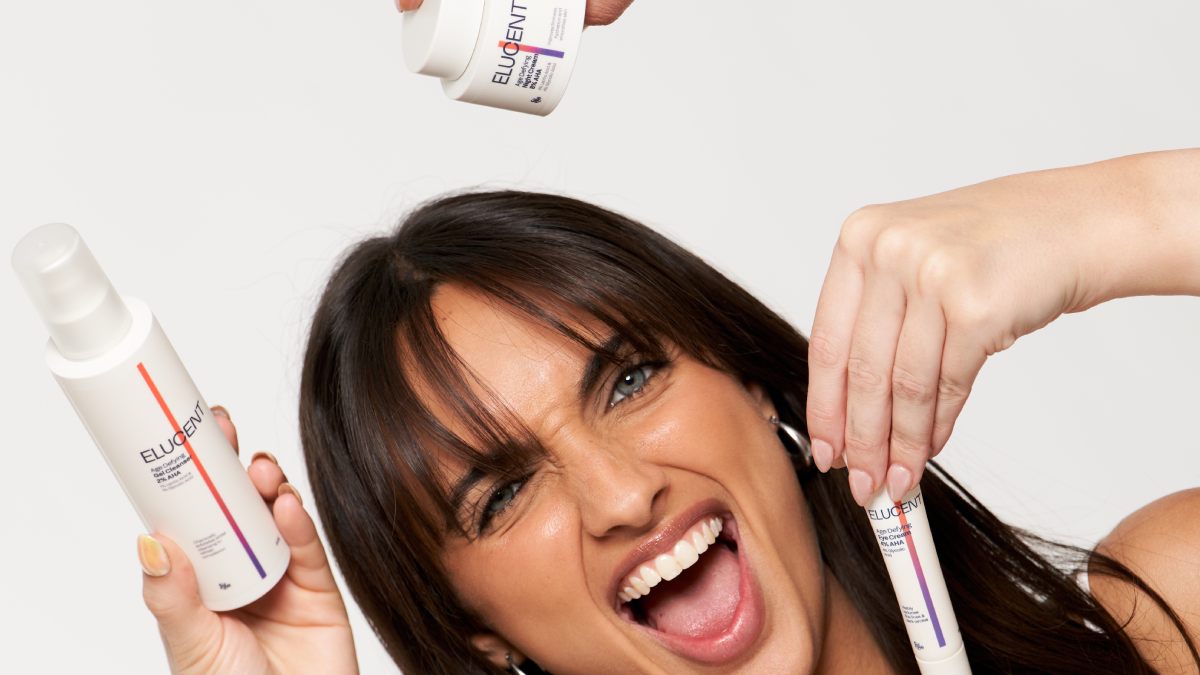
With the newly refreshed Elucent Age Defying range, we’ve done all the hard work for you. Every product in the range contains AHAs, from a gentle 2% in Elucent Age Defying Gel Cleanser to the concentrated Elucent Age Defying Resurfacing Serum with 16% AHAs — the highest levels you’ll find outside of a dermatology clinic. And you’ll find hyaluronic acid in all of the following products:


To further enhance their benefits, we’ve packed the Elucent Age Defying range with extra moisturisers and other special ingredients, including:*

  • Glycerin
  • Sodium PCA
  • Vitamins B3 (Niacinamide), C and E
  • Panthenol


AHAs and hyaluronic acid are a dream team for anyone chasing smoother, brighter, more hydrated skin. AHAs gently exfoliate, clearing the way for hydration, while hyaluronic acid helps to lock in moisture for smooth, plump, and glowing skin. Together, they help you achieve a complexion that looks fresh and healthy.

Share this with your community

  • Article Image

    The antioxidant dream team: Niacinamide, vitamin C and E explained

    Discover how Niacinamide, Vitamin C & E team up to fight dullness, even skin tone and protect against daily stressors. Your quick guide to antioxidants in skincare.

    Read more
  • Article Image

    Building an AHA skincare routine

    Want glow without the drama? Here’s your simple, friendly guide to using AHAs the right way—what to use, when, and how to keep your skin calm and happy.

    Read more
  • Article Image

    Dull skin? Let's talk about exfoliation

    Exfoliation = glow. Here’s how AHAs, hyaluronic acid and more can gently smooth, hydrate and perk up your face without making your skin cranky.

    Read more

References

1. Ball S, Laknahur M, Kohli N, Potturi Y, Tjiattas-Saleski. Vitamin C, Topical Retinoids, and Sunscreen in Clinical Practice. Osteopath Fam Physician J 2024;16(4):22–30. 

2. Karwal K, Mukovozov I. Topical AHA in dermatology: Formulations, mechanisms of action, efficacy, and future perspectives. Cosmetics 2023;10(5):131. 

3. Papakonstantinou E, Roth M, Karakiulakis G. Hyaluronic acid: A key molecule in skin aging. Dermatoendocrinol 2012;4(3):253–8. 

4. Copoví A, Díez-Sales O, Herráez-Domínguez JV, Herráez-Domínguez M. Enhancing effect of alpha-hydroxyacids on “in vitro” permeation across the human skin of compounds with different lipophilicity. Int J Pharm 2006;314(1):31–6. 

5. Kim HS, Lim SH, Song JY, Kim MY, Lee JH, Park JG, et al. Skin barrier function recovery after diamond microdermabrasion. J Dermatol 2009;36(10):529–33. 

6. Fąk M, Rotsztejn H, Erkiert-Polguj A. The early effect of microdermabrasion on hydration and sebum level. Skin Res Technol 2018;24(4):650–5. 

7. Fartasch M, J T, G.K M. Mode of action of glycolic acid on human stratum corneum: Ultrastructural and functional evaluation of the epidermal barrier. Arch Dermatol Res Ger 1997;289(7):404–9. 


* Not all Elucent Age Defying products contain all ingredients.