By Range
By Product
By Skin Concern
By Ingredients
Skin Concerns
Pigmentation changes usually come hand in hand with sun exposure, and since we can’t (and shouldn’t!1) avoid the sun completely, there’s no escaping pigmentation changes as we travel through life. Pigmentation, hyperpigmentation, dark spots, or uneven skin tone aren’t just common, they’re a normal part of being human, especially when it comes to sun exposed areas like the face and hands. However, there are things you can do to limit pigmentation changes, and improve the appearance of uneven skin tone and dark spots.
Pigmentation describes the colouring of your skin, which is caused by melanin — the natural pigment your body makes to give colour to your skin, hair and eyes (as well as a few less obvious places like the brain and nerve cells)2.
We’ve known for a while that a ‘healthy tan’ is a misnomer, and seeking it out means inviting a bunch of other damaging effects, like premature ageing3 and an increased risk of skin cancer4. But pigmentation is more than just sun-induced skin darkening. It comes in many different forms, from the natural colouring of your skin, to the changes caused by tanning, to freckles or age spots5.
Melanin is produced in special skin cells called melanocytes, so that’s where we need to look to understand what’s really going on. These cells act like little factories, packaging melanin into tiny parcels and sending them to nearby skin cells. The amount they manufacture depends on6:
There are around 1,000–2,000 melanocytes in every square millimetre of your skin7! When everything runs smoothly, this delivery system gives your skin an even tone. But as we age, some melanocytes become damaged, less responsive, or overactive. Years of sun exposure and hormonal changes—especially around menopause—can make melanin production patchy, leading to dark spots and uneven pigmentation6.
While melanin is the most important skin pigment, it’s not the only one. Lipofuscin, sometimes called the “wear-and-tear” pigment is a cell waste material made of damaged proteins, fats, and oxidised bits that can’t be fully cleaned up. That residue builds up inside cells and sometimes shows up as brownish patches in aging skin. Although lipofuscin is not as well understood, some research suggests it contributes to the dullness, discolouration, and age spots alongside melanin changes2.
Hyperpigmentation and hypopigmentation are the polar extremes on the pigmentation scale: ‘hyper’ meaning excessively high or above normal, and ‘hypo’ meaning unusually low or below normal.
In hypopigmentation, melanin is reduced or even entirely absent, leading to paler skin colouring. This can be caused by all sorts of things, including:
As we’ve seen, pigmentation can mean a lot of different things, and plays a role in many different skin changes and conditions. But if you’re wondering how to visibly reduce pigmentation on your face, or how to fix uneven skin tone, science has your back! Your skin is constantly renewing itself, so many surface level changes can be improved with time and the right care. Niacinamide can help brighten skin,11 while AHAs (like glycolic acid and lactic acid) help exfoliate away surface pigmentation12. Antioxidants—especially vitamins C and E for pigmentation—help protect against reactive oxygen species (ROS) that can damage your melanocyte factories13. And of course we have to mention SPF! If you haven’t realised already, the sun and photoageing are the major cause of pigmentation-related skin changes,3 so make sure you have your daily SPF locked down.
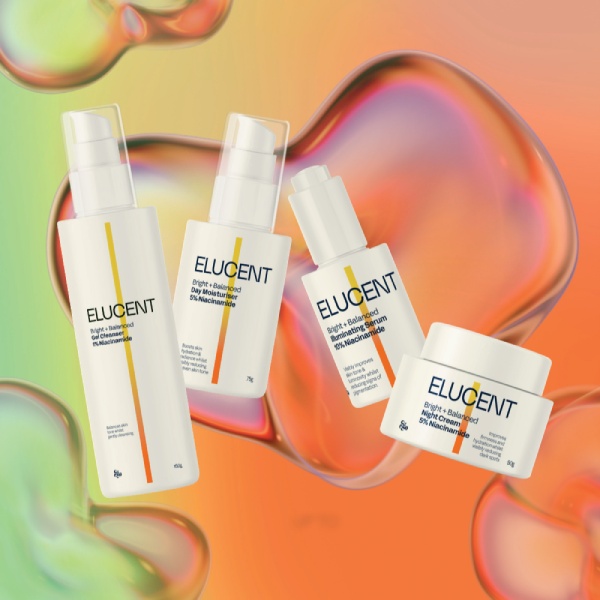
Step 2: In the morning after cleansing, try our highest concentration niacinamide 10% serum — Elucent Bright + Balanced Illuminating Serum — for targeted visible dark spot reduction.
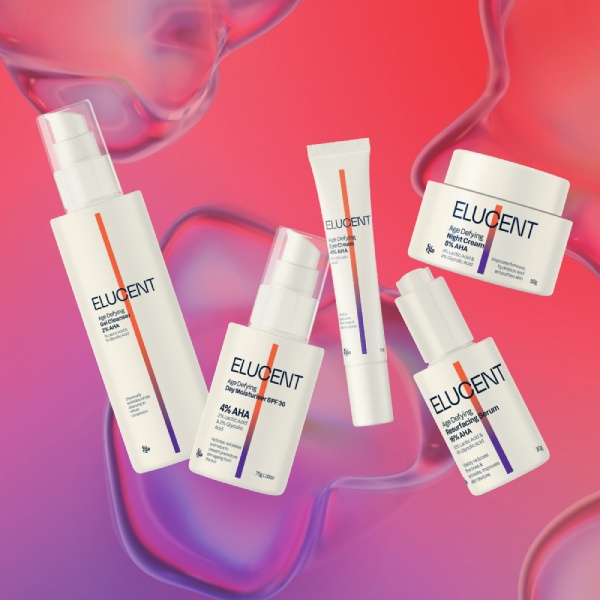
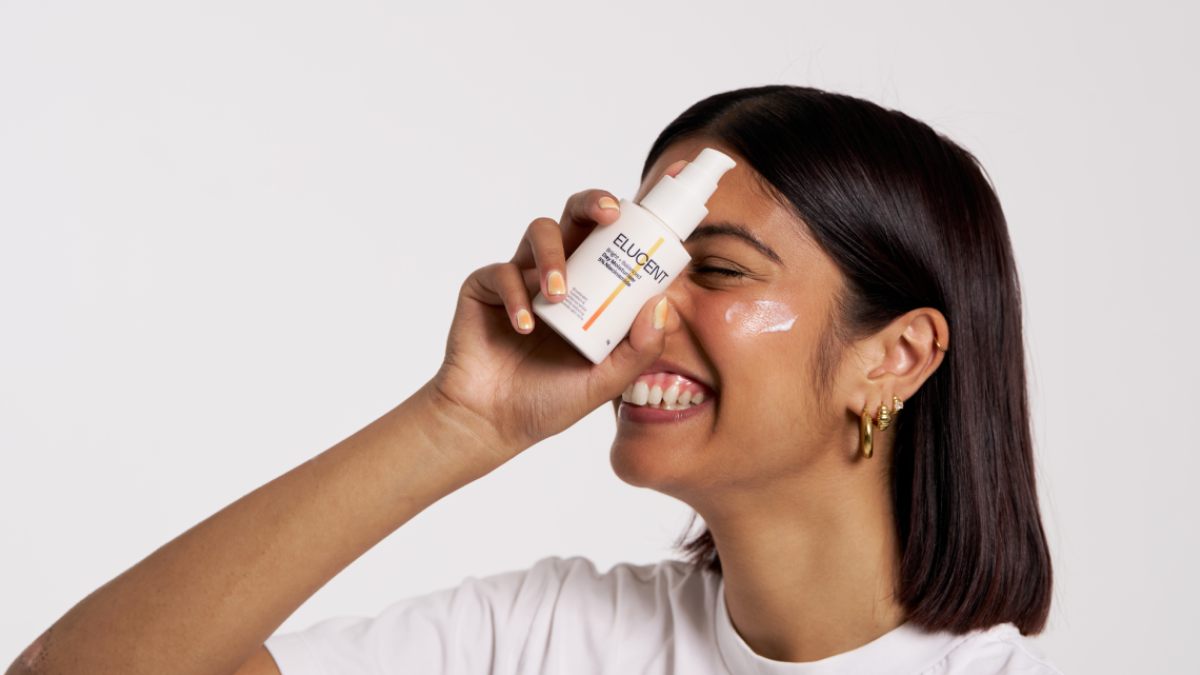
It’s never too late to make prevention a priority. Apply a good daily SPF moisturiser for protection, like Elucent Age Defying Day Moisturiser SPF 30* . Want to bring your own SPF? Try Elucent Bright + Balanced Day Moisturiser instead, which contains 5% Niacinamide for its pigmentation and skin tone benefits, and pair it with your favourite daily SPF.
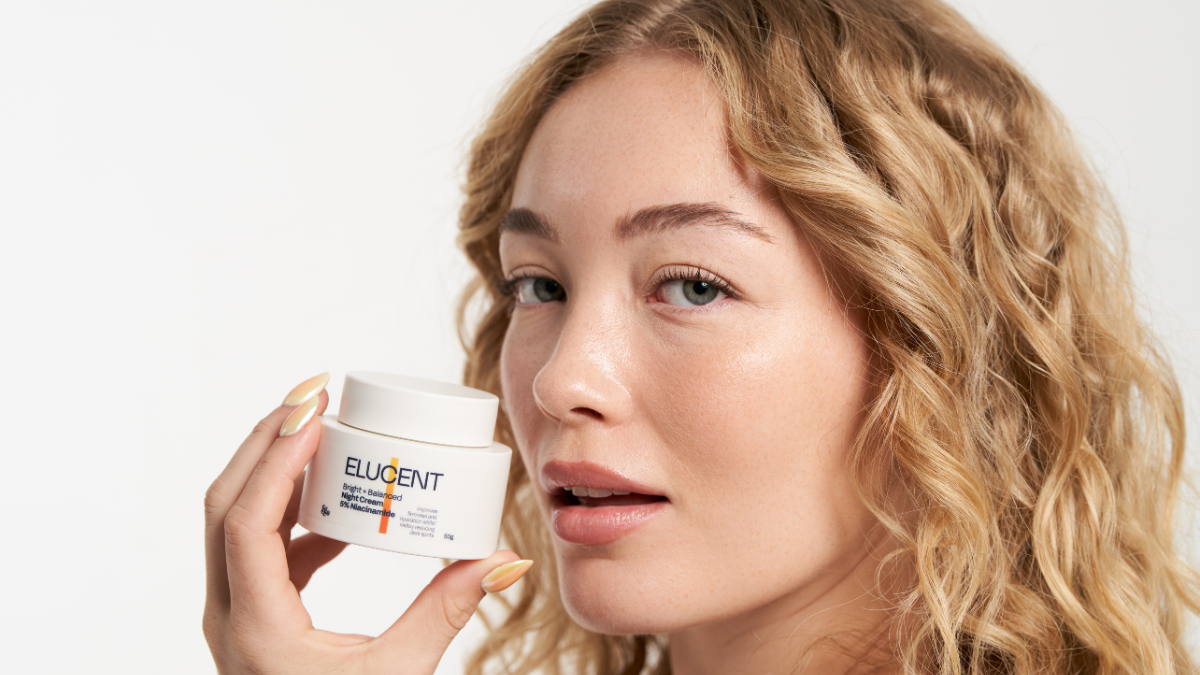
Step 3: At night after cleansing, pair with a rich night cream, like Elucent Bright + Balanced Night Cream. Both include Niacinamide to help even skin tone and brighten skin.
* Always read the label and follow the directions for use. Avoid prolonged sun exposure and wear protective clothing, hats and eyewear to further reduce risk. Frequent re-application is required.
Pigmentation is part of your skin’s personality, shaped by the sun, time, and your unique biology. But it’s not set in stone. With a little science and the right routine, you can help fade the marks of the past, protect your future, and rediscover a brighter, more even complexion. Here’s to skin that’s as vibrant and dynamic as you are!
Day moisturiser with 5% niacinamide to brighten and even skin tone
Night cream with 5% Niacinamide to brighten complexion and visibly reduce pigmentation
Pigmentation? Totally normal. Here’s what causes hyperpigmentation and how to treat it with brightening, tone-evening skincare.
Got dark spots? We break down what causes them, what makes them worse, and the glow-boosting ingredients that can help fade them.
Bumps, blotches and rough patches aren’t forever. Discover how to brighten, smooth, and even out uneven skin tone and texture with science-backed skincare.
1. Neale RE, Beedle V, Ebeling PR, Elliott T, Francis D, Girgis CM, et al. Balancing the risks and benefits of sun exposure: A revised position statement for Australian adults. Aust N Z J Public Health 2024;48(1):100117.
2. Skoczyńska A, Budzisz E, Trznadel-Grodzka E, Rotsztejn H. Melanin and lipofuscin as hallmarks of skin aging. Adv Dermatol Allergol Dermatol Alergol 2017;34(2):97–103.
3. Brar G, Dhaliwal A, Brar AS, Sreedevi M, Ahmadi Y, Irfan M, et al. A comprehensive review of the role of UV radiation in photoaging processes between different types of skin. Cureus 2025.
4. World Health Organization. Radiation: Ultraviolet (UV) radiation and skin cancer [Internet]. 2017 [cited 2025 Oct 15]; Available from: https://www.who.int/news-room/questions-and-answers/item/radiation-ultraviolet-(uv)-radiation-and-skin-cancer.
5. Oakley A. Pigmentation disorders [Internet]. Dermnet® 2014 [cited 2025 Oct 14]; Available from: https://dermnetnz.org/topics/pigmentation-disorders.
6. Kang HY, Lee JW, Papaccio F, Bellei B, Picardo M. Alterations of the pigmentation system in the aging process. Pigment Cell Melanoma Res 2021;34(4):800–13.
7. Miot LDB, Miot HA, Silva MG da, Marques MEA. Physiopathology of melasma. An Bras Dermatol 2009;84:623–35.
8. Łabędź N, Navarrete-Dechent C, Kubisiak-Rzepczyk H, Bowszyc-Dmochowska M, Pogorzelska-Antkowiak A, Pietkiewicz P. Pityriasis Versicolor—A Narrative Review on the Diagnosis and Management. Life 2023;13(10):2097.
9. Ngan V, Cheng H. Albinism [Internet]. Dermnet® 2023 [cited 2025 Oct 15]; Available from: https://dermnetnz.org/topics/albinism.
10. Alsayaydeh B, Oakley A. Vitiligo: causes, types, and treatment [Internet]. Dermnet® 2023 [cited 2025 Oct 15]; Available from: https://dermnetnz.org/topics/vitiligo.
11. Bissett DL, Oblong JE, Berge CA. Niacinamide: A B vitamin that improves aging facial skin appearance. Dermatol Surg 2005;31(7 Pt 2):860–5; discussion 865.
12. Karwal K, Mukovozov I. Topical AHA in dermatology: Formulations, mechanisms of action, efficacy, and future perspectives. Cosmetics 2023;10(5):131.
13. Hussen NH amin, Abdulla SK, Ali NM, Ahmed VA, Hasan AH, Qadir EE. Role of antioxidants in skin aging and the molecular mechanism of ROS: A comprehensive review. Asp Mol Med 2025;5:100063.